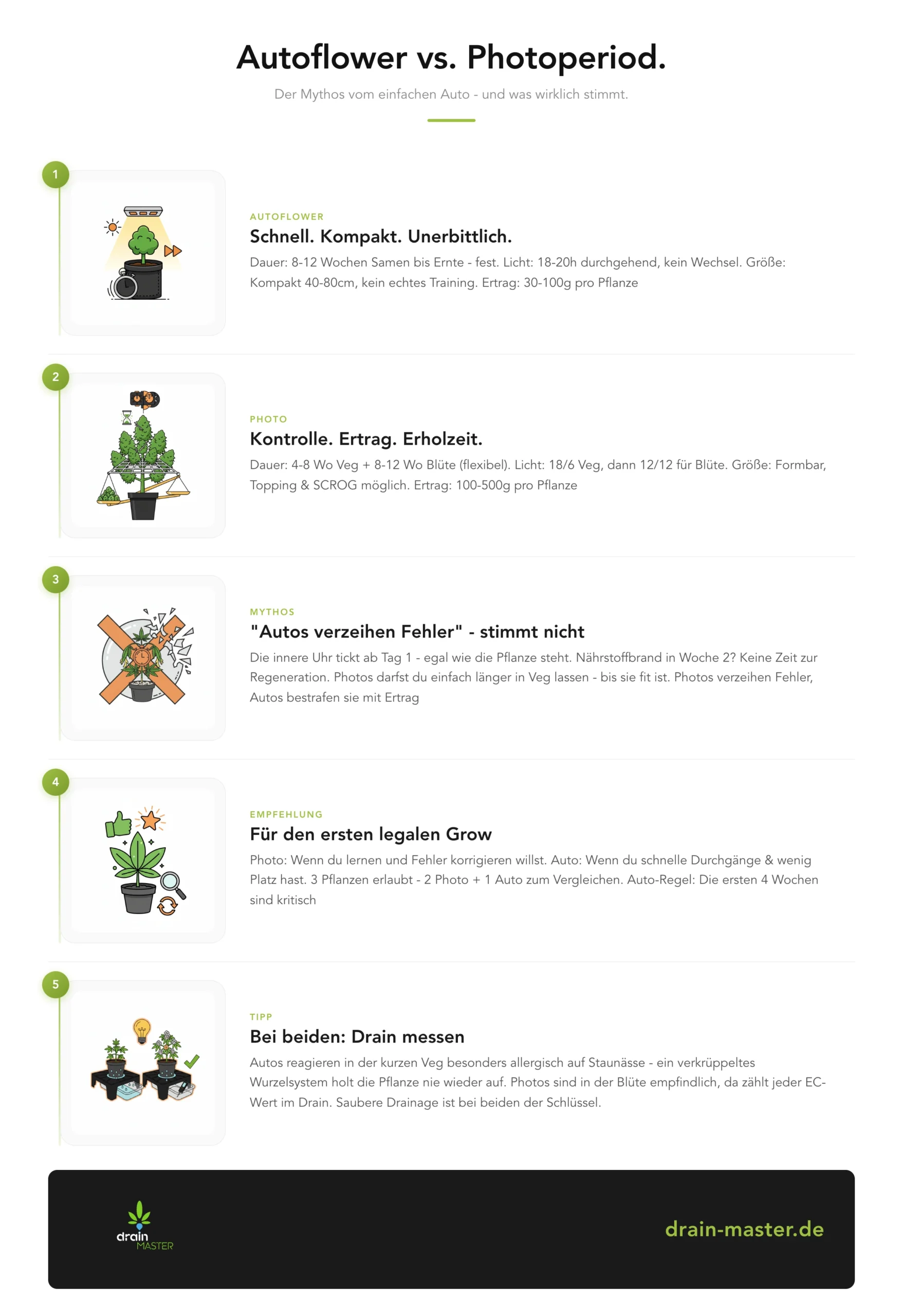
The myth of the easy auto – and what’s actually true.
Autoflower vs. Photoperiod: The Facts in Direct Comparison
The question “autoflower or photoperiod” is one of the first and most important decisions you make as a grower, and it determines your entire cultivation cycle from start to finish. This isn’t just about genetics, but a fundamental choice that affects speed, control, and your personal error management. To provide clarity, we break down the hard facts to what really matters: time, size, and the yield that ends up in your jar.
Life Cycle and Light Control
The most fundamental difference lies in the trigger for the flowering phase. This is where the wheat separates from the chaff, and this is exactly where you need to know what you’re getting into. A photoperiodic plant waits for your command. It remains in the vegetative growth phase as long as it experiences long days, typically with an 18/6 light cycle (18 hours light, 6 hours darkness). Only when you switch the light to a 12/12 cycle do you give the signal to initiate flowering. This process, which simulates seasonal changes outdoors, is known as photoperiodism. The entire life cycle thus takes between 12 and 20+ weeks from germination to harvest, depending on how long you extend the growth phase.
An autoflower, on the other hand, has an internal clock. Its genetics contain Ruderalis components, a cannabis subspecies from regions with short summers. It doesn’t care about the light cycle to enter flowering. After about 2-4 weeks of vegetative growth, it automatically switches to the flowering phase, regardless of whether the light is on for 18, 20, or 24 hours a day. The result is an extremely fast life cycle of only 8 to 12 weeks from seed to harvest. It runs on autopilot – practical, but relentless.
Size, Training, and Yield Potential
The different life cycle directly leads to the next point: control over the size and shape of the plant. Autoflowers remain compact due to their short vegetative phase and rarely exceed a height of 100 cm. This makes them ideal for small grow tents or discreet balcony grows, as described in our Outdoor Grow Guide. Yield typically ranges between 30 and 100 grams per plant. Intensive training like heavy topping or SCROG (Screen of Green) is risky with them, as they don’t have time to recover from the stress before flowering begins.
Photoperiodic strains are the exact opposite here. You have full control. Want a huge plant that fills your tent? Simply let it grow longer in the vegetative phase. This flexibility is every grower’s dream who wants to shape and train their plants. Methods like topping, fimming, LST, and SCROG reach their full potential here because the plant has weeks to recover and develop the desired structure. The yield potential is correspondingly higher and can range from 100 grams to well over 500 grams per plant, depending on the duration of the vegetative phase and the grower’s skill.
The Stress Factor: How Forgiving Are the Strains Really?
The myth often circulates online that autos are more beginner-friendly because they flower “automatically.” Let’s be honest: that’s only half the truth. The decision between autoflower or photoperiod is primarily a question of risk management and how well a plant can handle your mistakes.
The “Automatic Mode” of Autoflowers
The biggest advantage of autoflowers – their fixed, fast schedule – is simultaneously their greatest weakness. The first 3-4 weeks are absolutely critical. Every mistake during this phase has permanent consequences. A young autoflower suffering from cannabis overwatering will inhibit its root growth and never catch up. Nutrient burn or incorrect pH in week two? That directly costs you final yield because the plant has no time to regenerate. The “automatic mode” means the clock is ticking, whether the plant is ready or not. It doesn’t forgive early mistakes. If you do everything right in the first weeks, the rest is smooth sailing. If not, you have a stunted plant for the rest of its short life.
The Control Phase of Photoperiods
This is where the crucial advantage of photoperiodic strains lies for growers who want to learn and optimize. You control the schedule. Did you cause severe nutrient burn in week three or stress the plant during transplanting? No problem. You simply leave it in the vegetative 18/6 phase for one or two more weeks. During this time, it can fully recover, develop new, healthy growth, and gather strength. Only when you see that the plant is back in top shape and vigorous do you initiate flowering by switching to 12/12. This extendable recovery phase makes photoperiodic plants far more forgiving than their automatic relatives. Anyone who wants to understand and master the entire process will find the perfect learning platform here, as explained in our comprehensive guide on growing cannabis legally.
Nutrient and Water Management: The Deep Dive for Growers
The genetic differences directly affect how you need to feed and water your plants. Knowing the details here helps you avoid the most common yield killers. The debate over autoflower or photoperiod is therefore also a technical question.
Precisely Control EC and pH Values
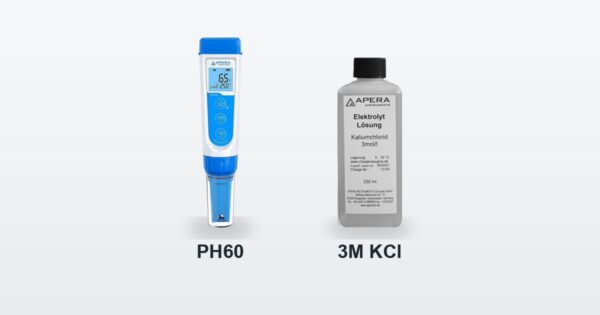
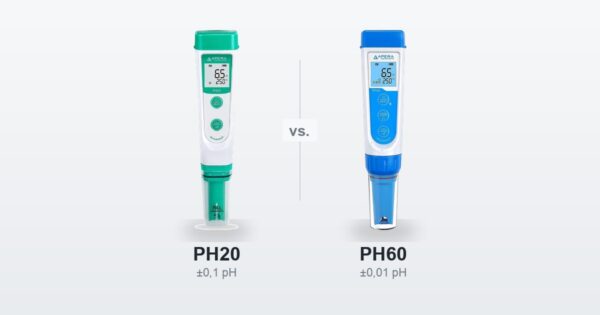
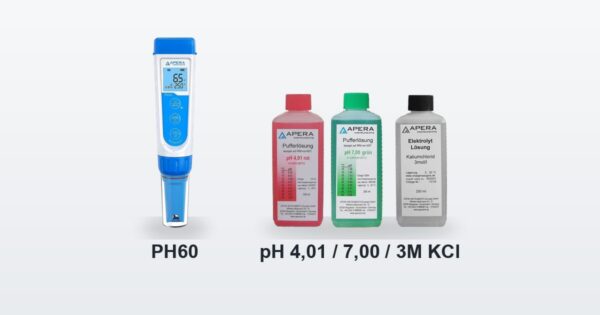
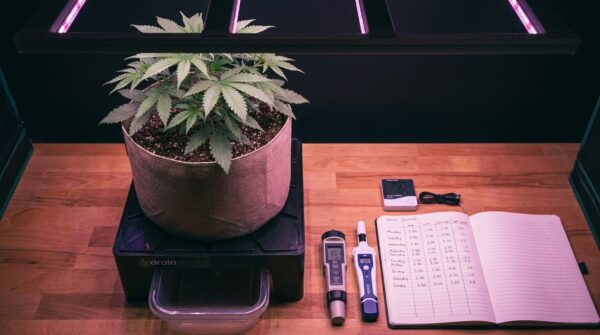
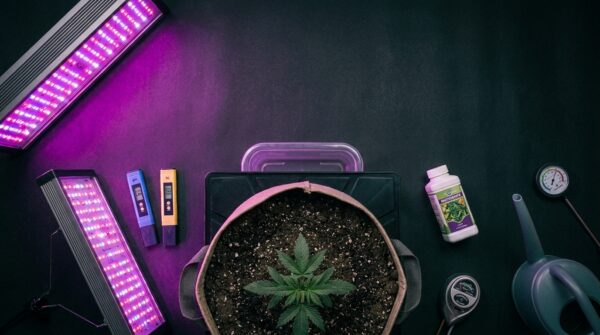
The EC value measures the concentration of nutrient salts in your solution, while the pH value determines their availability. Both must be on point. Autoflowers require a very gentle start. In the first weeks, a low EC value of 0.4-0.6 is crucial; many growers initially give only pH-adjusted water. An EC value that’s too high will immediately burn the young roots. Photoperiodic plants are more robust. You can start with an EC of 0.4-0.8 and slowly increase it to 1.4 during the extendable vegetative phase before going up to 2.0 in flowering. An incorrect pH value (ideal in soil: 6.0-6.8, in coco/hydro: 5.5-6.5) is more fatal with autos, as a nutrient lockout during the short growth phase can no longer be corrected. Precise measurement is therefore mandatory, for which professional tools like the Apera pH & EC meter have proven themselves.
Watering, Drainage, and Substrate Selection
Cannabis waterlogging is the enemy of every healthy root zone, but autoflowers react particularly allergically to it. Their small root system in an often oversized final pot can quickly “drown.” To avoid the stress of transplanting, they are planted directly in the final pot. This requires a delicate touch: initially water only a small circle around the plant and not the entire pot. A “light-mix” substrate is ideal because it’s only lightly pre-fertilized. Photoperiodic plants, on the other hand, benefit from transplanting and can be placed in more heavily pre-fertilized soil once they’re larger. Proper cannabis watering means in both cases: wait until the pot has become noticeably lighter, then water slowly until about 10-20% of the water amount runs out the bottom as runoff. This prevents salt accumulation and ensures oxygen reaches the roots.
Conclusion: Your Perfect Strain and the Universal Key to Success
At the end of the day, there’s no universally “better” strain. The choice between autoflower or photoperiod depends 100% on your goals, your setup, and your experience.
The Recommendation for Your Growing Style
Here’s the clear action recommendation to settle the “autoflower or photoperiod” debate for you:
- Choose an autoflower if: You want quick results, plan multiple harvests per year, have only limited space (e.g., a small tent), or want to pull off an uncomplicated outdoor grow in summer. It’s the specialist for efficiency and speed.
- Choose a photoperiodic strain if: You want to maximize yield per plant, enjoy training (topping, SCROG), want to make mistakes and learn from them, and want to maintain full control over your plant’s life cycle. It’s the choice for the passionate craftsman.
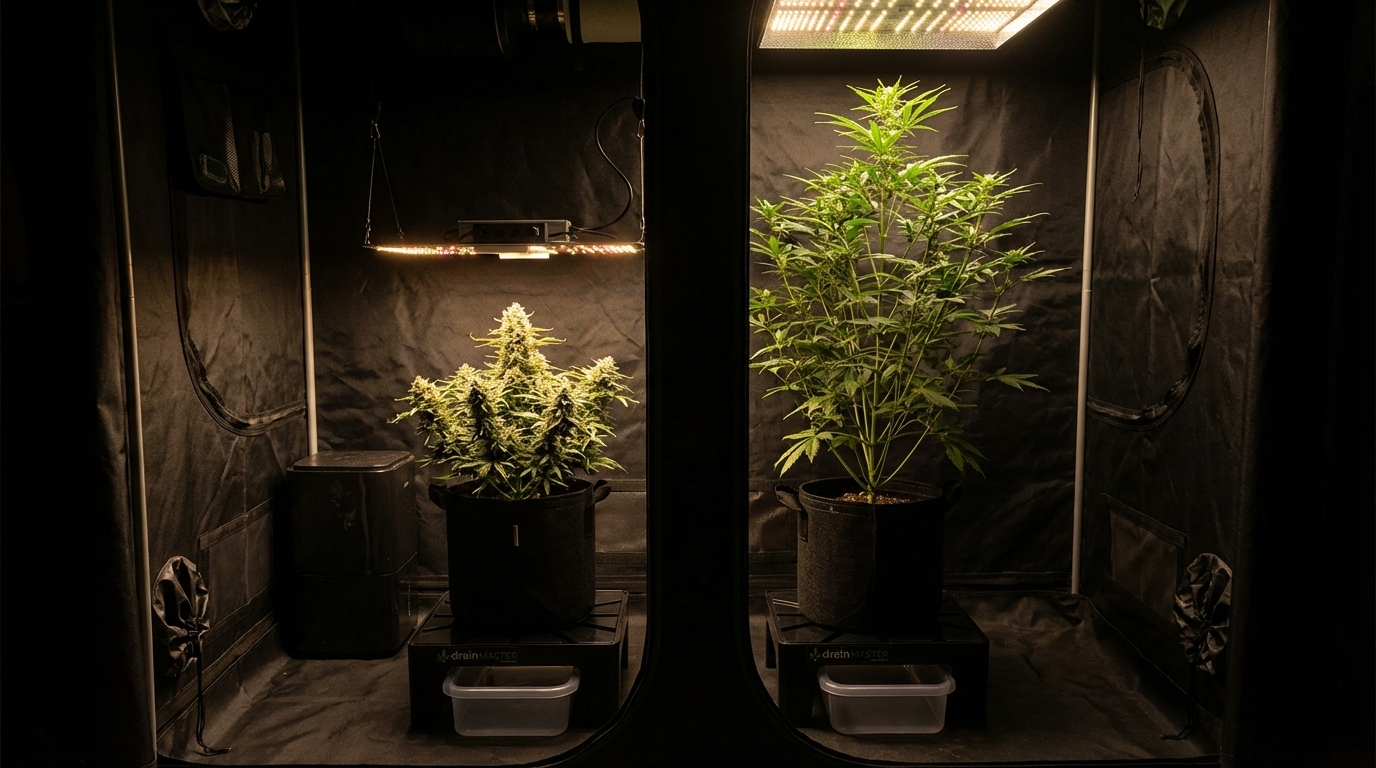
A good tip for the undecided: start your first grow with two autoflowers and one photoperiodic plant in the same tent. This way you experience both worlds firsthand and see for yourself what suits you better.
Regardless of Strain – Your Runoff Doesn’t Lie
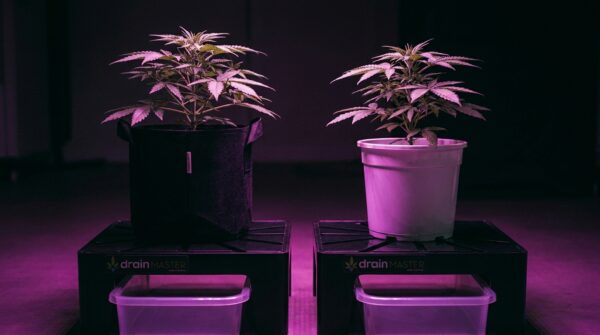
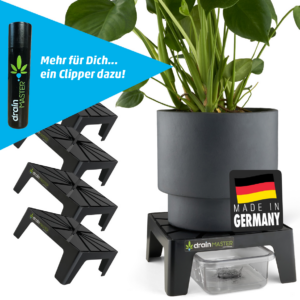
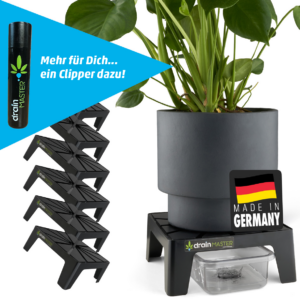
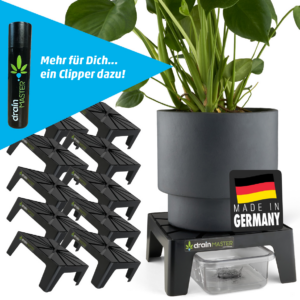
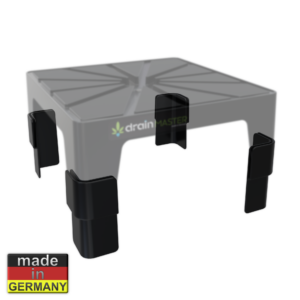
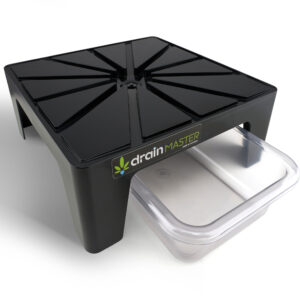
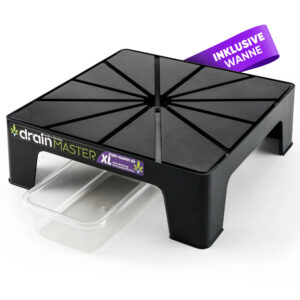
Whether you choose a forgiving photoperiod or a sensitive autoflower, the one common denominator and most frequent yield killer is and remains poor drainage. Waterlogging leads to oxygen deficiency and root rot, while lack of runoff leads to gradual salt buildup in the substrate. Both scenarios are the sure path to deficiencies and a disappointing harvest. The most important lesson is therefore to always ensure clean and controlled drainage. You must ensure that excess water can drain completely and the pot never sits in its own juice. Your grow, your substrate, your runoff – a reliable system like the DrainMaster fits any strain and gives you exactly the control that makes the difference between a good and a great result.