Which substrate is right for you?
Finding the best cannabis substrate is the essential foundation for any successful home grow – especially now that legal cultivation in Germany is a reality. Whether you’re setting up your first grow tent or already gaining experience with the 3-plant personal grow, the medium you choose determines root health, nutrient uptake, and ultimately the quality of your harvest. It’s not just about what’s easiest, but about which substrate fits your style and the level of control you want. This guide is your compass through the jungle of options and shows you what really matters.
Spoilt for choice: soil, coco and rockwool compared head-to-head
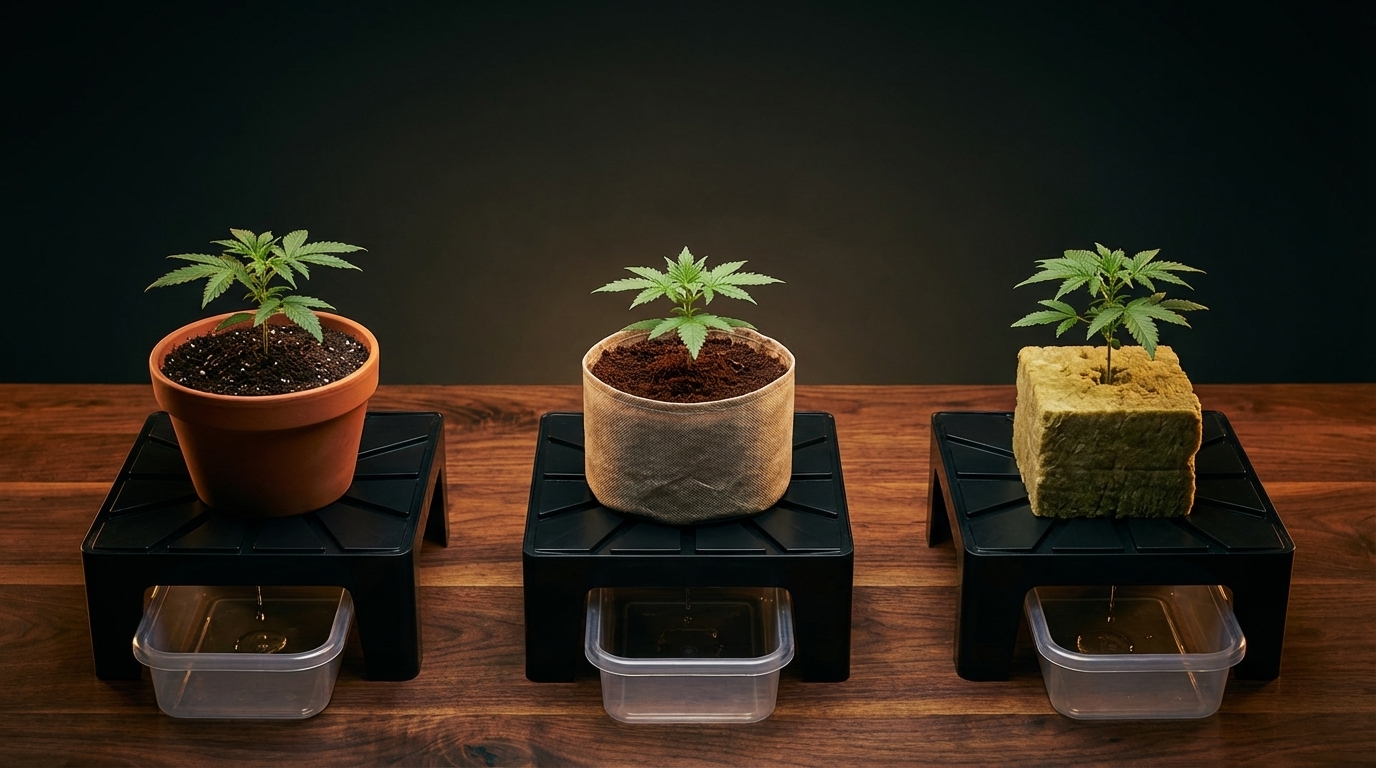
Every substrate has its own rules. Choosing between soil, coco coir, or rockwool is the first major decision on your way to a successful harvest. Each medium appeals to a different type of grower and requires a different level of attention and equipment.
Soil: the forgiving classic for beginners and organic grows
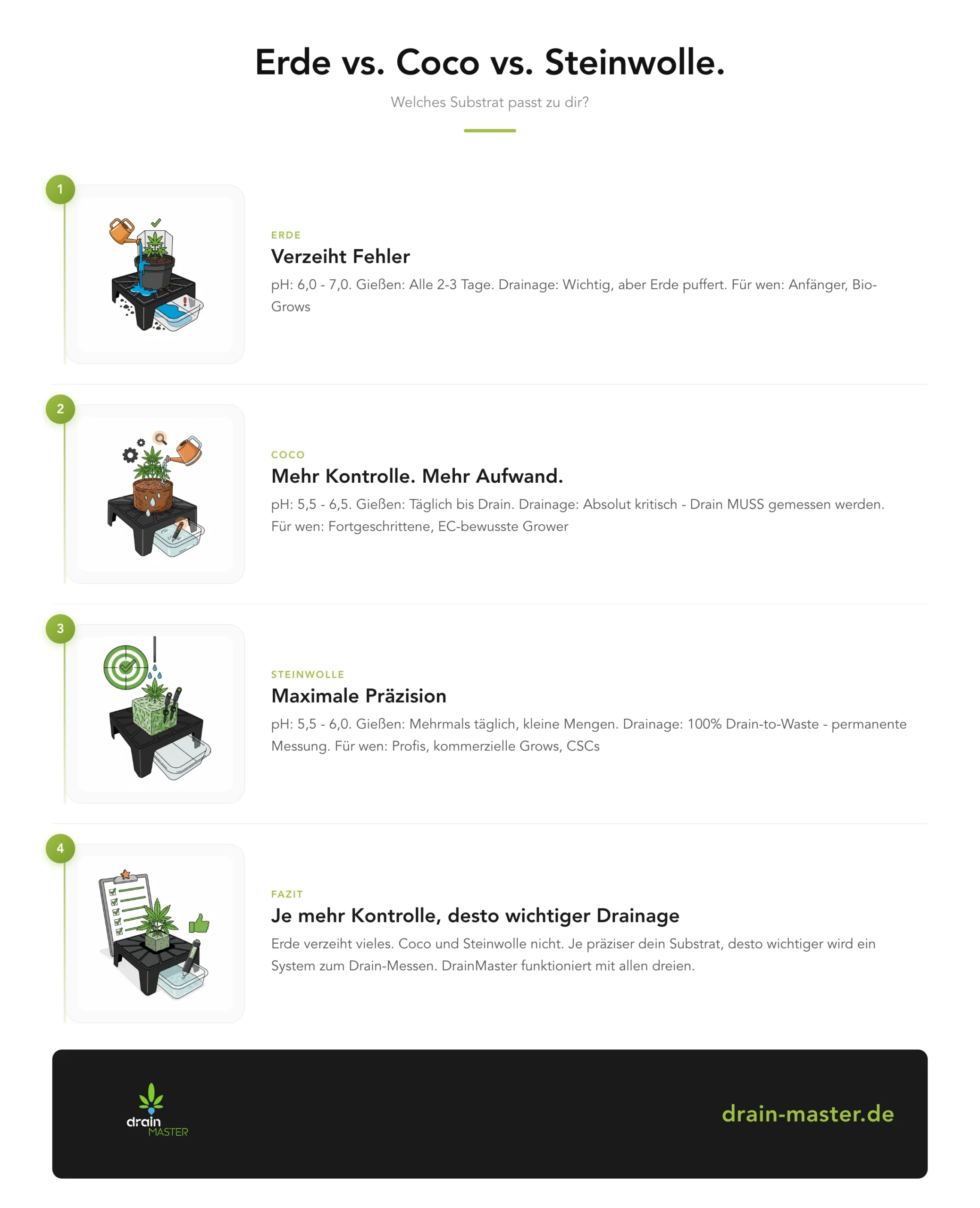
Soil is the natural, traditional route. For beginners growing cannabis at home, it’s often the first choice – and for good reason: soil has a natural buffering effect. That means it can forgive small mistakes with pH or EC settings without your plants reacting immediately. You don’t have to water every day; a 2–3 day rhythm is usually enough. Instead of sticking to a rigid schedule, learn to feel the weight of your pots. A light pot is crying out for water. One key point, though, is drainage. Waterlogging is the number one enemy of any cannabis root. To prevent it, you should always amend your soil with additives like perlite. A good rule of thumb is to increase the share of perlite to loosen the soil to 10–30% to create an airy structure where roots feel at home. Whether you choose a light mix for full nutrient control or an all mix for the first weeks without fertilizer is up to you. That’s why, for many, it’s the best cannabis substrate for an uncomplicated start.
Coco: precise control for advanced growers
Coco coir, or simply coco, is technically a hydroponic medium. It’s inert, meaning it naturally contains no nutrients. That’s both a blessing and a curse. You have 100% control over what your plant gets. Every meal is mixed and served by you with precision. But that precision requires daily watering – often even several times a day – always to a certain amount of “drain” (runoff). Coco holds oxygen extremely well, but it doesn’t forgive mistakes. A wrong pH or an inaccurate EC setting shows up immediately in the plant because there’s hardly any buffer zone. So if you’re ready to pull out your meters every day and manage nutrient delivery like a Formula 1 engineer, coco rewards you with explosive growth.
Rockwool: maximum precision for pros and commercial setups
Welcome to the top league. Rockwool offers the highest level of control and the best oxygen supply for roots you can imagine. This medium is used almost exclusively in professional, automated systems and by Cannabis Social Clubs (CSCs). Nothing is left to chance here. Irrigation is fully automated, usually 3 to 5 times a day, in small, precisely dosed amounts. The system follows a “drain-to-waste” logic, where excess nutrient solution is drained off and not reused. This prevents salt buildup and ensures a consistently fresh nutrient environment. For a typical home grow, the effort is usually too high – but it shows what’s possible when it comes to precision.
Substrate is only half the battle: mastering pH and EC control
You can have the best cannabis substrate in the world – if the chemistry in your watering can isn’t right, you’ll fail. pH and EC are the two most important levers you need to manage as a grower.
pH: the gateway to nutrient uptake
Imagine you’re serving your plant a feast, but its mouth is shut. That’s exactly what happens with the wrong pH. The pH of your nutrient solution determines which nutrients the roots can actually absorb. If it’s too high or too low, you get what’s known as nutrient lockout, and your plant shows deficiency symptoms even though there’s enough food in the substrate. The optimal ranges vary depending on the medium. The optimal pH for soil, coco and hydro is between 6.0 and 7.0 for soil, while coco and rockwool need to be kept more precisely in the 5.5 to 6.5 range. Why? Because these media have no buffering effect, and any deviation immediately affects the root zone.
EC: the nutrient speedometer for your plants
EC (electrical conductivity) measures the electrical conductivity of your water and tells you how high the concentration of dissolved nutrient salts is. It’s basically the speedometer for nutrient strength. An EC that’s too high leads to salt buildup in the substrate, often showing up as burnt leaf tips. The plant can no longer take up water and “burns” from the inside. An EC that’s too low simply means hunger, leading to pale leaves and slow growth. Good grow equipment – especially reliable meters – is essential here to measure pH and EC precisely. Pros adjust EC to the plant’s life stage: seedlings need little (EC 0.6–1.0), demand increases in the vegetative phase (EC 1.2–1.8), and flowering is where the maximum is reached (EC 1.8–2.2).
The secret is in the runoff: why professional drainage management decides everything
Most problems for beginner cannabis growers come from incorrect watering. The balance between water and oxygen at the roots is a fine line – and drainage is your lifeline.
Watering correctly: oxygen for the roots instead of waterlogging
Cannabis roots drown faster than they dry out. If water sits in the pot for too long, it displaces vital oxygen. The result is root rot – and that’s usually beyond saving. The golden rule for watering inert media like coco, or when using mineral nutrients in soil, is: always water enough so that about 10–30% of the amount runs out at the bottom as drain. This drain isn’t waste – it’s an active cleaning process. It flushes old, unused salts out of the substrate and prevents them from building up. That keeps the root zone fresh and able to absorb nutrients.
Daily checks: what your runoff reveals about plant health
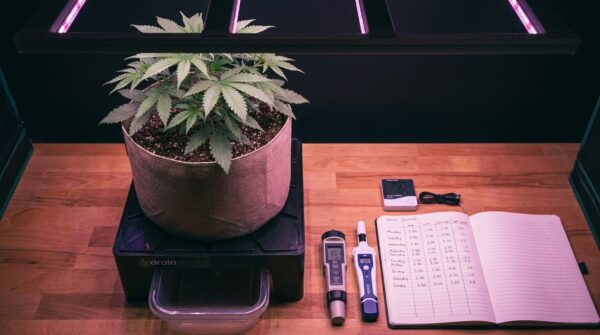
For pros, analyzing the drain is a daily ritual. The runoff water is direct feedback from the root zone. What does it tell you? If the EC in the drain is consistently higher than the EC of your nutrient solution, it means the plant isn’t eating everything you’re giving it. Salts are building up. The logical consequence: reduce the fertilizer amount. If the pH in the drain differs strongly from your feed water, that points to issues in the root area. With coco, drain is measured daily; with rockwool, it’s measured with every single watering. It may sound like a lot of work, but it’s the key to maximizing your yield.
Conclusion: how to find the best substrate for cannabis
At the end of the day, choosing the best cannabis substrate depends on you – your time, your experience, and your standards. There isn’t one single right answer, only the right answer for your personal grow style.
From forgiving to ultra-precise: what type are you?
Are you a beginner in homegrow germany legal and want an uncomplicated start? Then a high-quality soil mix enriched with perlite is your friend. It forgives the first typical mistakes. Are you a data-driven grower who wants to control every variable to get the maximum? Then coco – or even hydroponic systems – are your playground. The basic rule is: the more control the substrate gives you, the more important precise drain management becomes. So the search for the best cannabis substrate is always also a search for the right level of effort for you.
The smart solution for any substrate: the DrainMaster
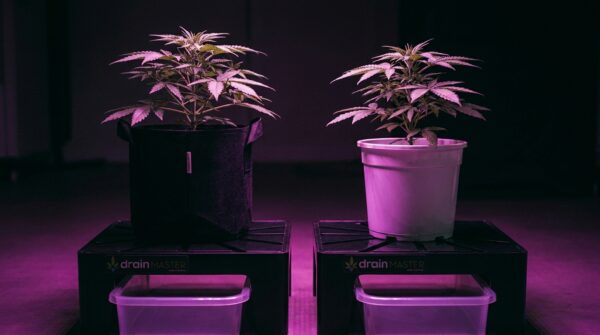
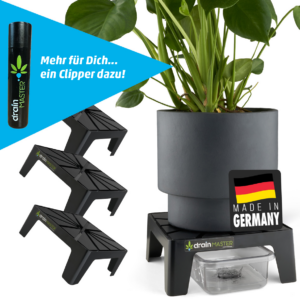
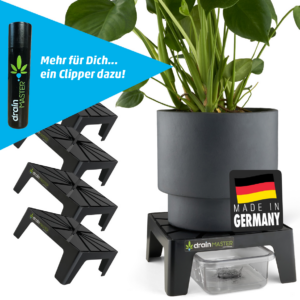
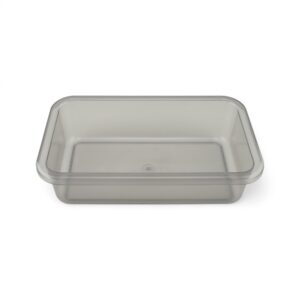
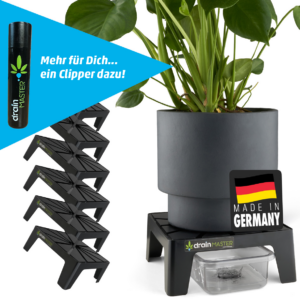
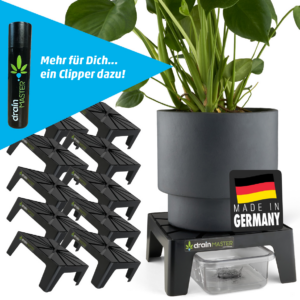
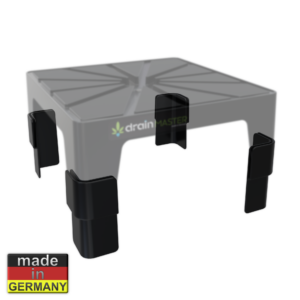
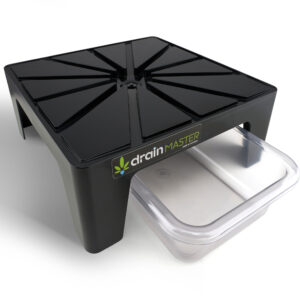
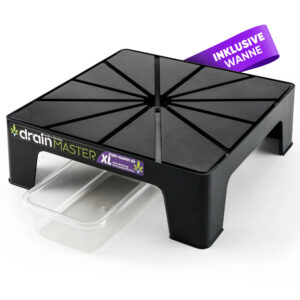
No matter whether you choose soil, coco, or rockwool, one thing always stays the same: waterlogging must be avoided and drain must be controlled. Especially with coco and rockwool, daily measurement of pH and EC in the runoff water is the key to success. To keep this process clean and simple, there are smart tools. The DrainMaster Drip Stand works like a mini drainage table that fits under any pot. It lifts the plant so it never sits in its own runoff and channels the drain directly into a drip tray. That turns daily sampling into a clean, seconds-long task. Made in Germany, this tool makes professional control much easier and helps you get the full potential out of the substrate you’ve chosen.