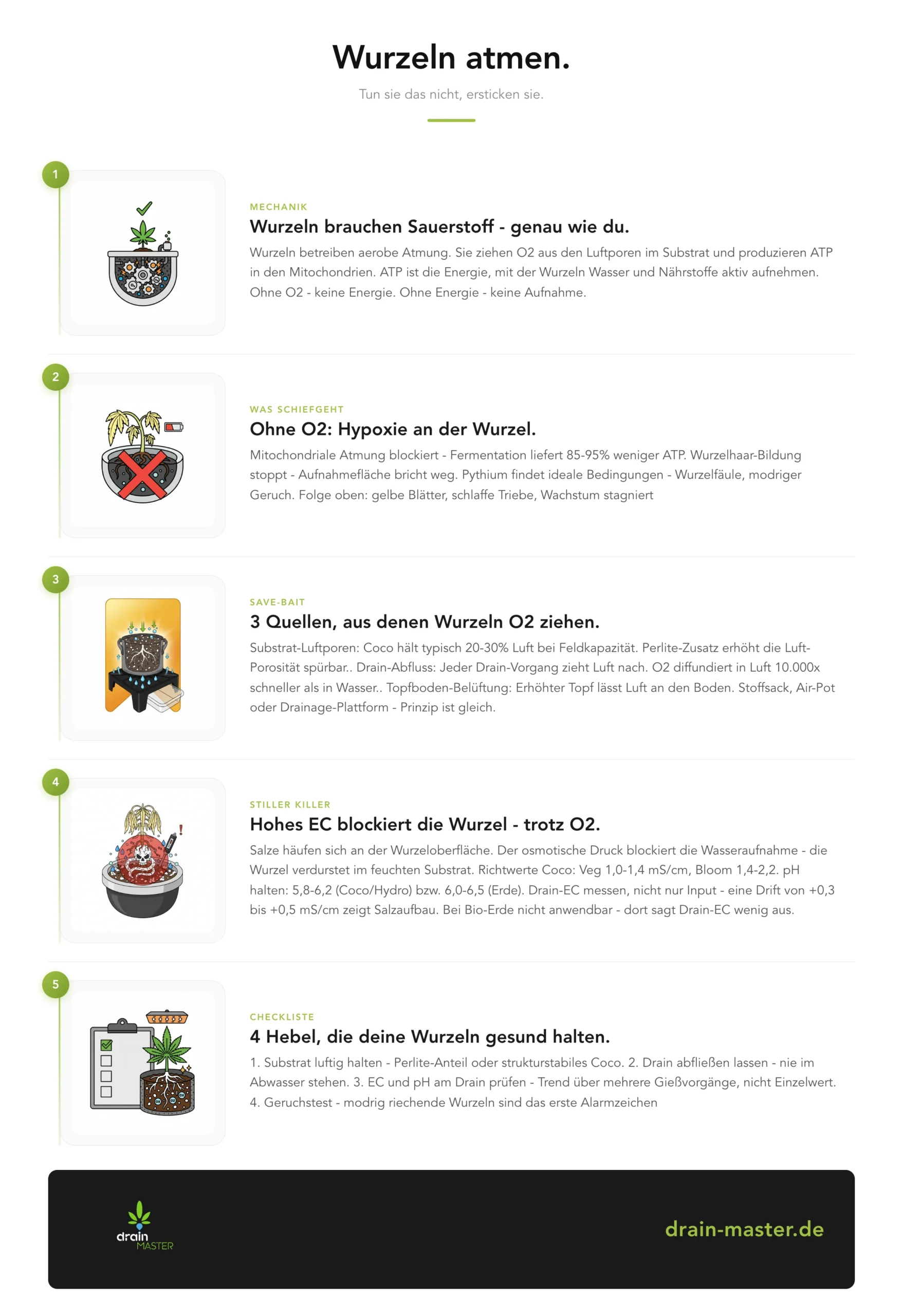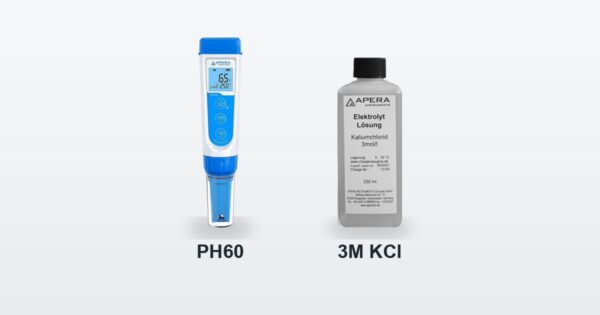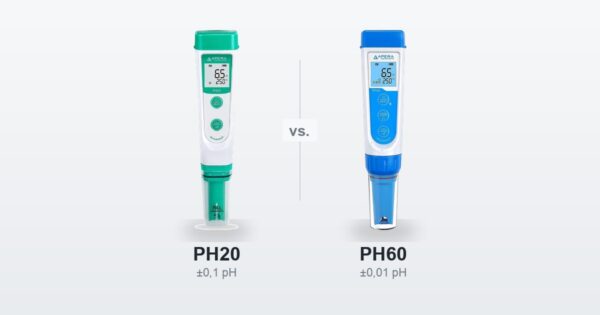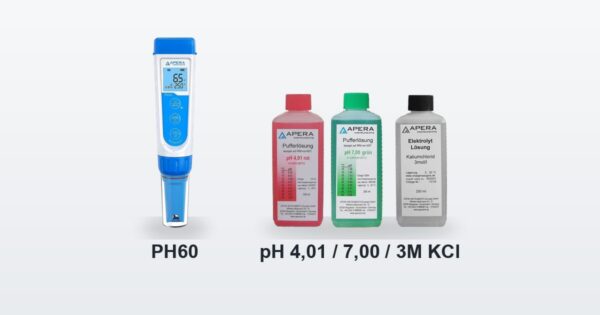
If they don’t, they suffocate.
To supply Cannabis Root Oxygen is the most underestimated – yet perhaps the most critical – factor for a successful grow. We optimize light, nutrients, and genetics down to the smallest detail, but underground, O2 availability decides between stagnation and explosive growth. Without enough oxygen in the root zone, there’s no efficient nutrient uptake, no healthy growth, and the door is wide open for diseases like root rot. This article dives deep into the invisible world beneath your substrate and shows you how to master oxygen supply.
Oxygen: The Invisible Fuel for Cannabis Roots
Many growers think roots only “suck up” water and nutrients. That’s a dangerous misconception. Roots are highly active organs that need to breathe to do their job – just like we do. This energy production is the engine that powers your entire plant.
Aerobic Respiration: How Roots Produce Energy
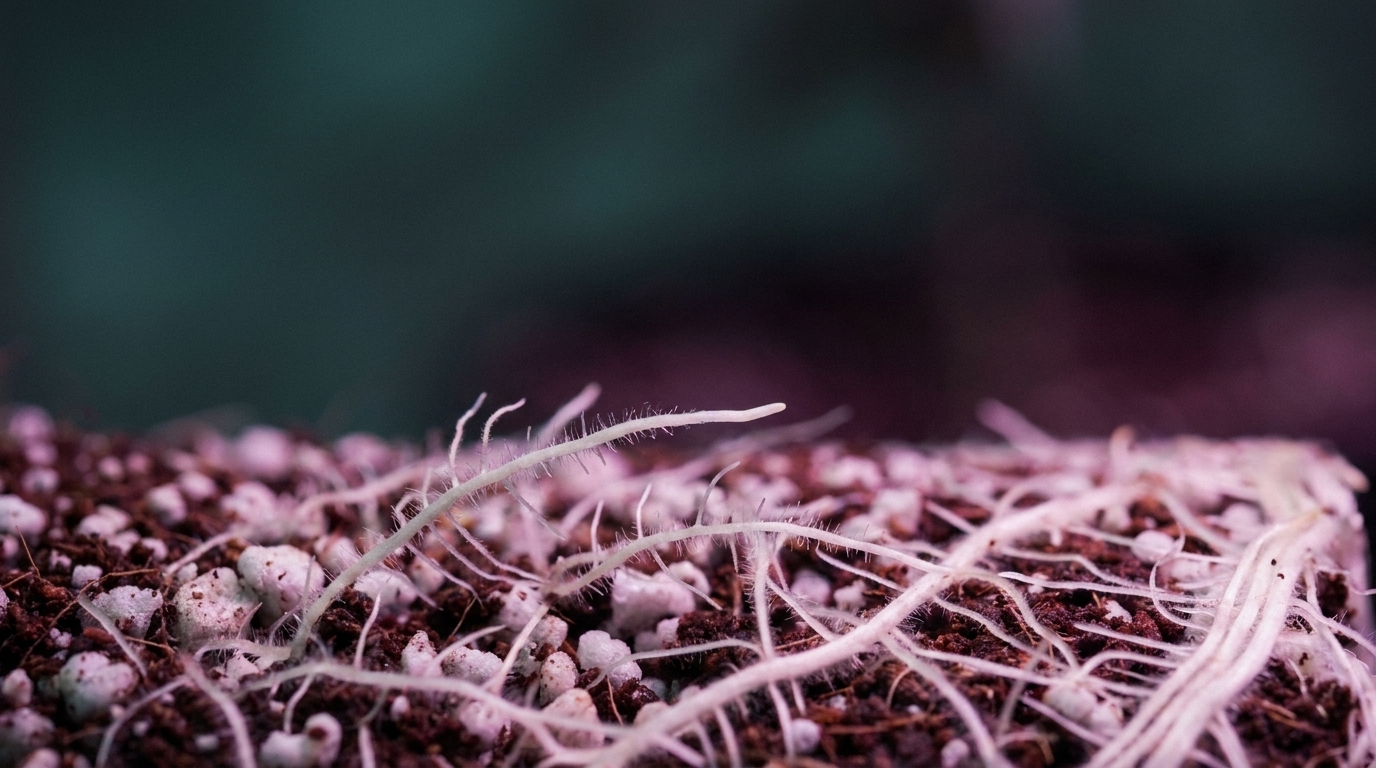
Roots don’t take oxygen (O2) from the water, but from the tiny air pores between the particles of your substrate. In the mitochondria of the root cells, aerobic respiration takes place. Oxygen is used to turn sugar (produced by the leaves via photosynthesis) into the cell’s universal energy currency: adenosine triphosphate, or ATP. This ATP energy is essential to actively pump water and nutrient ions into the root against a concentration gradient. The simple formula is: No oxygen, no energy. No energy, no uptake. Your plant starves and dehydrates in a wet pot.
Hypoxia: Suffocation in the Pot and Its Consequences
When overwatering cannabis causes pots to stay wet for too long, the air pores fill with water. This condition is called hypoxia – an acute lack of oxygen. For the plant, it’s the start of a downward spiral that often ends fatally if you don’t act quickly.
The Cascade of Failure Underground
Without oxygen, highly efficient mitochondrial respiration is blocked. Root cells switch into emergency mode: anaerobic fermentation. But this process produces 85–95% less ATP. With this minimal energy, the root can barely maintain its most basic functions. The formation of fine root hairs – responsible for most nutrient and water uptake – stops immediately. The root system’s absorption surface collapses, and the plant begins to fail from the inside out.
Visible Symptoms and Invisible Dangers
A low-oxygen, damp environment is the perfect breeding ground for pathogenic fungi like Pythium. This is the most common cause behind the dreaded issue of avoiding root rot. A first telltale sign is a musty, rotten smell coming from the pot. Above ground, the plant soon shows clear stress symptoms: leaves turn yellow, shoots droop limply, and overall growth stalls. The most typical sign is drooping leaves despite moist soil, which mistakenly leads many growers to water even more – making the problem worse.
The 3 Most Important Sources of Oxygen for Cannabis Roots
Luckily, we can actively control oxygen supply. There are three key levers you can use as a grower to create ideal conditions for root respiration.
The Substrate as the Plant’s Lungs
Your substrate determines the potential for gas exchange. A compacted, fine medium has hardly any air pores. A loose, coarse substrate, on the other hand, acts like a lung. High-quality coco substrate naturally has an air content of 20–30%. With soil, you need to help it along. Additives like perlite aren’t optional – they’re essential. They create permanent voids in the substrate that stay filled with air even after watering, ensuring cannabis root oxygen supply.
Drainage and Watering as an Active Air Pump
Every watering with full runoff is active aeration. When excess water drains out of the bottom of the pot, it creates negative pressure that pulls fresh, oxygen-rich air from above into the pores of the substrate. That’s why it’s so harmful to let pots sit in water. Just as important is the dry-back phase between watering cannabis. Only when the substrate is allowed to dry do the pores open up for air again. The switch between wet and dry is the pot’s active breathing motion.
Choosing the Pot and Setup
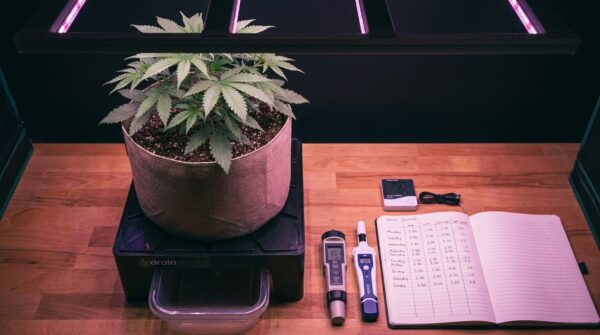
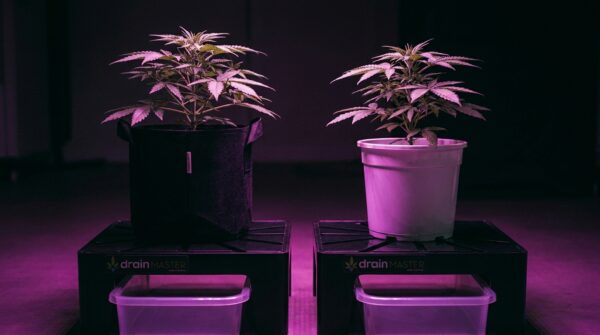
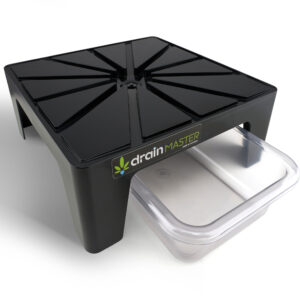
A standard plastic pot sitting flat on the floor blocks drainage and prevents airflow from below. A simple but extremely effective step is to raise the pots. Special drip platforms or simple grates ensure water can drain freely and air can reach the roots from underneath. Even better are fabric pots (air pots), whose porous walls allow gas exchange across the entire surface and promote denser, healthier root growth through “air pruning.”
The Final Check: Why EC, pH, and Drainage Decide Success
Even if there’s enough oxygen, other factors can block uptake. A holistic view of the root zone is crucial.
The Silent Killer: Osmotic Pressure from Salt Buildup
The EC value measures the concentration of nutrient salts in your solution. If you water without sufficient runoff, these salts accumulate in the substrate. An EC that’s too high in the medium creates strong osmotic pressure. This pressure actively pulls water out of the root cells instead of letting it in. The root can literally dehydrate even while sitting in water. So check your runoff EC regularly. If it rises by more than +0.3 to +0.5 mS/cm compared to your nutrient solution, that’s a warning sign of dangerous salt buildup.
Checklist for Healthy Roots and Maximum Uptake
In the end, it all comes down to mastering four simple levers that create an optimal environment for your cannabis roots and prevent waterlogging in cannabis:
- Airy substrate: Use high-quality soil with at least 30% perlite, or a coco/perlite mix.
- Full runoff: Make sure 10–20% of the water runs out of the bottom after every watering, and the pot never sits in water.
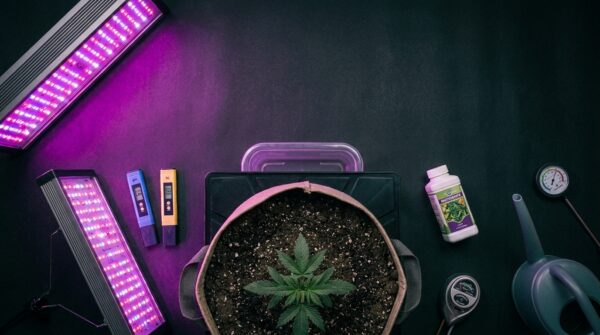
- EC/pH check of the runoff: Regularly measure the draining runoff to spot salt buildup and pH swings early.
- Smell test: Occasionally smell the drainage holes. A healthy pot smells earthy. A musty or rotten smell is an alarm sign of oxygen deficiency.
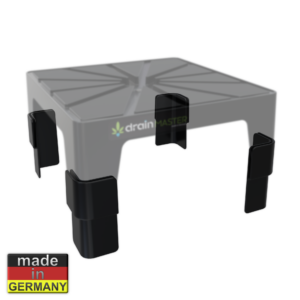
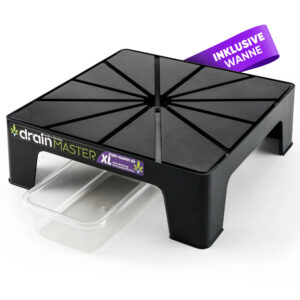
To let runoff drain optimally while guaranteeing bottom aeration, the DrainMaster Drip Stand was developed. This platform with a transparent catch tray solves these critical points by consistently preventing waterlogging and giving you full control over your runoff. That’s how you create the perfect foundation for healthy roots and maximum yields.