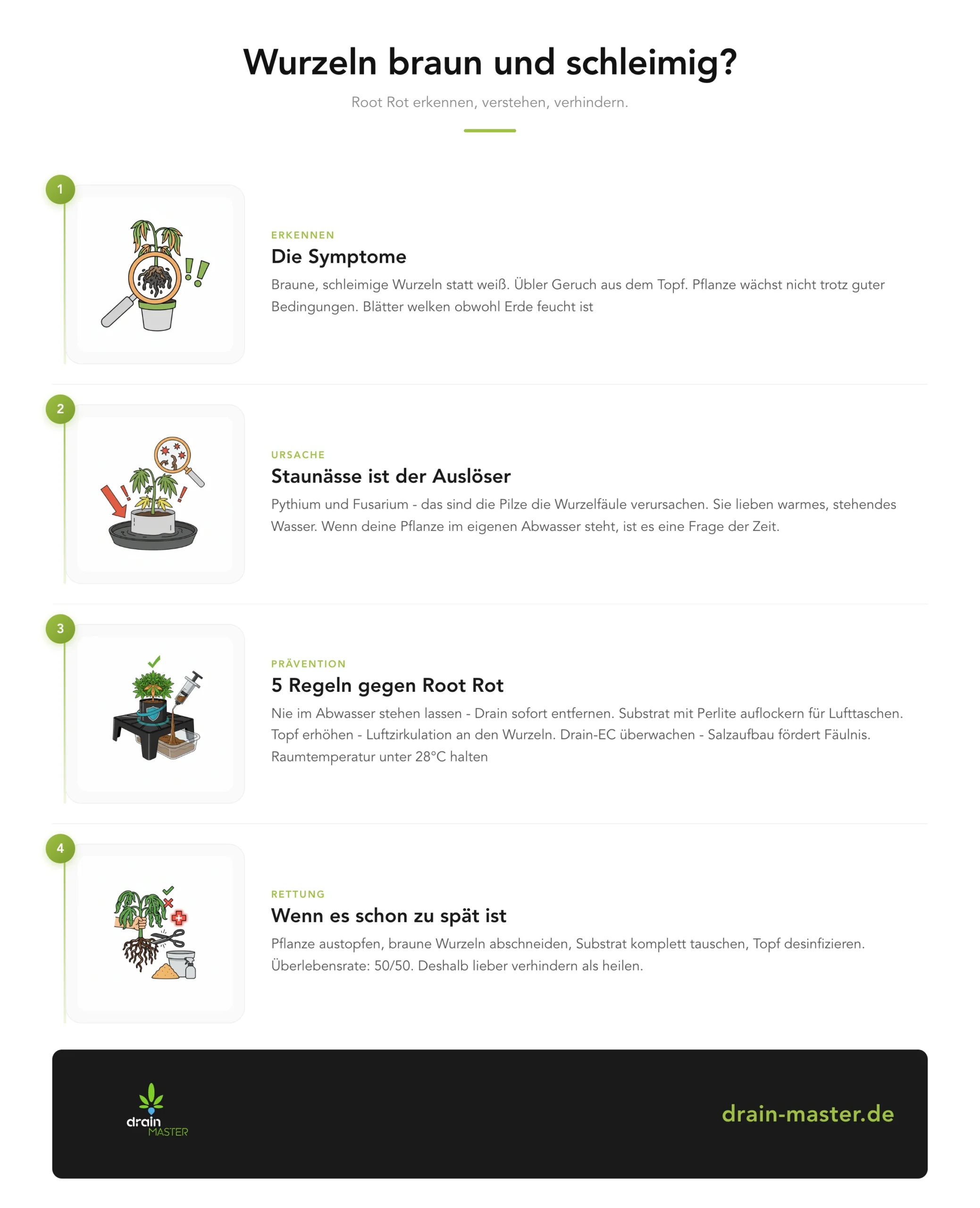
Identify, understand, and prevent root rot.
Recognizing Root Rot: The Invisible Danger in Your Pot
Cannabis Root Rot is one of the most insidious threats for any indoor grower. The problem starts quietly and invisibly underground, right at the heart of your plant: the root system. By the time you notice the first symptoms on the surface, the damage is often already far advanced. That’s why it’s crucial to interpret the signs early to still have a chance at recovery, or even better, to prevent it from happening in the first place.
Visible Signs Above Ground:
The plant communicates its stress through its leaves and overall appearance. The first signs of root problems are often deceptive and easily confused with nutrient deficiencies or watering errors. A classic alarm signal is drooping leaves that wilt despite moist soil. This is a clear indication that the roots can no longer absorb water, even though there is enough available. Further symptoms include:
- Slowed or stopped growth: Your plant simply doesn’t seem to grow anymore, no matter what you do.
- Yellow, diseased leaves: Often starting at the lower leaves, which turn yellow or brown and die off. This resembles a nitrogen deficiency but is caused by dysfunctional roots.
- General wilting and sickly appearance: The plant loses its vitality; the leaves look dull and lifeless.
Diagnosis at the Root Ball:
The surest way to make a diagnosis is to look at the roots themselves. Be careful not to stress the plant further. Gently remove it from the pot and inspect the root ball. The difference is usually obvious:
- Healthy roots: Are bright white, firm, and smell earthy and fresh. They form a dense, strong network.
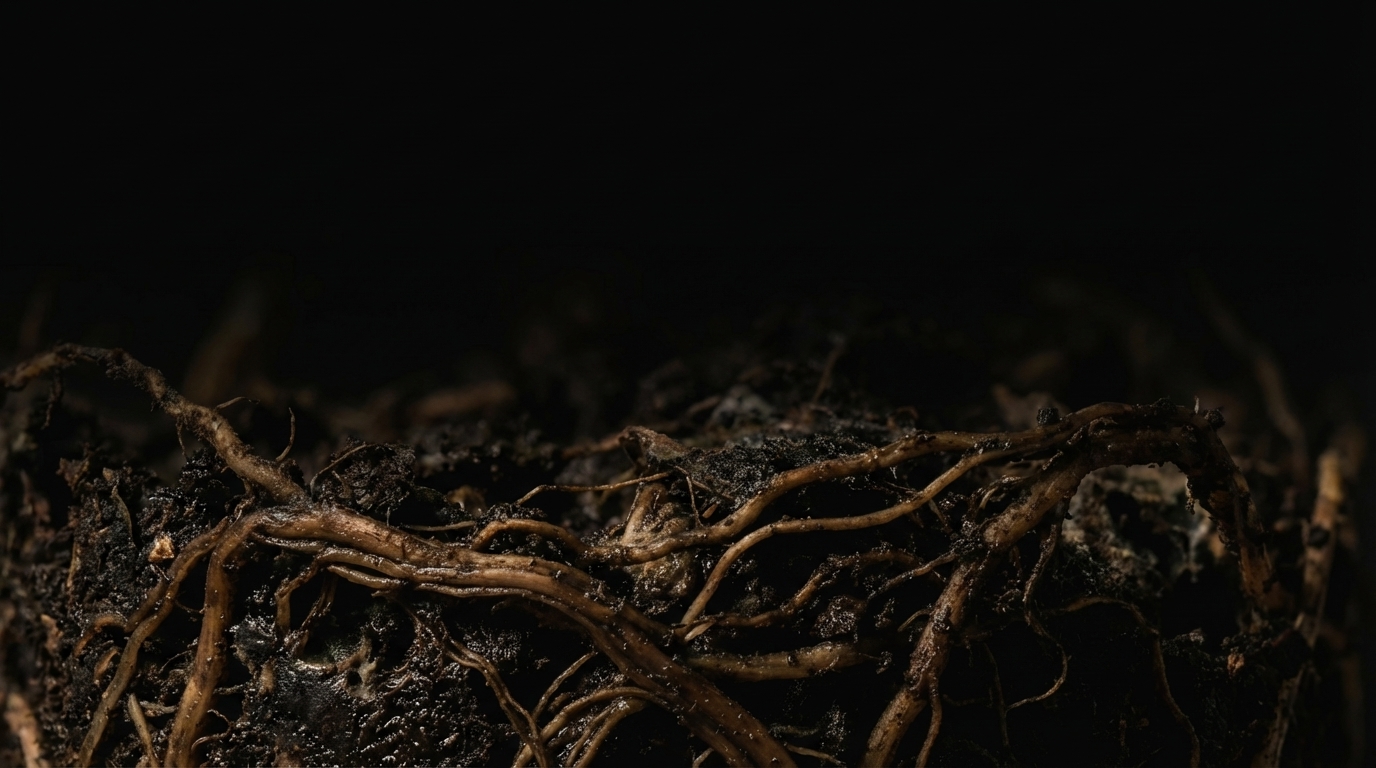
- Affected roots: Have a yellowish-brown to mushy, brown color. They are slimy, soft, and easily peel off. This is accompanied by an unmistakable, foul, and musty odor, reminiscent of a swamp. If you smell that, you have a serious problem.
The Causes: How Waterlogging Creates the Perfect Breeding Ground
The cause of Cannabis Root Rot is almost always a combination of oxygen deficiency in the root zone and the presence of pathogenic fungi. These conditions are usually created by a single, fatal mistake: waterlogging due to overwatering.
The Main Enemy: Oxygen Deficiency in the Substrate:
Cannabis roots need oxygen to breathe, just like the rest of the plant. If the substrate is permanently soaked and water cannot drain properly, the air pockets in the soil fill with water. The roots are literally suffocated. This anaerobic (oxygen-poor) environment causes root cells to die. The weakened and dying roots then become an easy target for pathogens.
The Pathogens: Pythium & Fusarium:
Spores of fungi lurk in almost every substrate. Under normal, oxygen-rich conditions, they are harmless. However, in a warm, moist, and oxygen-poor environment, their population explodes. The most common culprits are pathogens like Pythium and Fusarium. These fungi actively attack the weakened root tissue, decompose it, and spread throughout the entire root ball. This moist environment is not only ideal for fungi but also for pests. Therefore, it is often necessary to simultaneously combat fungus gnats, whose larvae additionally feed on the damaged roots.
The Ultimate Prevention: Creating a Healthy Root Climate
As an experienced grower, you know: reacting is good, acting proactively is better. The most effective control of Root Rot happens before it even has a chance to develop. It’s about creating an environment where healthy roots thrive and fungi have no chance.
Proper Substrate and Drainage Management:
It all starts with the foundation. An airy substrate and impeccable drainage are your best insurance. Compacted, cheap soil is a death sentence. Always mix your soil with about 20-30% perlite or coco coir to loosen the structure and ensure oxygen supply. Fabric pots (Air-Pots) are an excellent choice here, as they allow the roots to breathe through their walls. The most important thing, however, is: A pot must never stand in runoff water! Always immediately pour away the water from the saucer. That is rule number one.
Precise Watering and Nutrient Control (EC/pH):
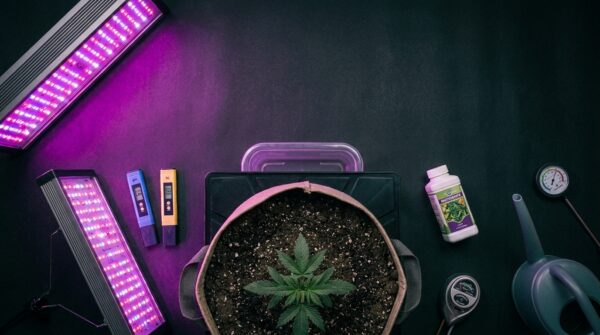
Overwatering is the number one killer. Don’t water on a fixed schedule, but according to the plant’s needs. The weight method is unbeatable for this: Lift the pot when it’s freshly watered, and only water again when it has become significantly lighter. Always let the top few centimeters of the substrate dry out well. Water less often, but thoroughly, until about 10-20% of runoff comes out the bottom.
Equally important is the control of EC and pH values. An EC value that is too high (above 2.2 mS/cm) leads to salinization, stresses the roots, and makes them susceptible. An incorrect pH value (ideally 6.0-7.0 in soil) blocks nutrient uptake and weakens the entire plant.
Optimal Ambient Temperature:
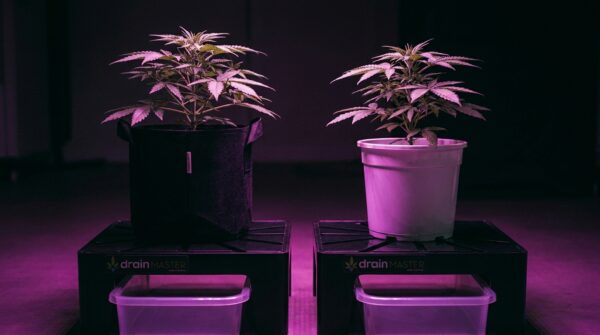
The pathogenic fungi that cause Root Rot love warmth – and crucially, it’s not the room air that matters, but the root zone. Ideally, keep the substrate temperature below 22 °C; above approximately 23 °C, the Pythium risk significantly increases because the water in the root area loses oxygen. In a hot grow room, a black pot, especially under direct lighting, heats up quickly and intensely – therefore, shade dark pots or choose lighter ones. Cooler root temperatures significantly slow down fungal growth and give your plant an additional shield.

Emergency Plan and Conclusion: Acting When It Seems Too Late
Sometimes it happens despite all precautions. If you have diagnosed advanced Cannabis Root Rot, quick and radical action is required. The chances of success depend heavily on the stage: those who act early – i.e., as long as a large proportion of white, healthy roots are still present – have about a 70% chance of recovery. If the rot is far advanced and the leaves are already wilting, the chance is often below 30%.
The Rescue Operation Step by Step:
Consider this an emergency operation. You must work quickly and cleanly.
- Remove the plant from the pot and carefully remove all old soil.
- Using sterilized scissors, generously cut off all brown, mushy, and rotten root parts. Be rigorous here; all infected material must go.
- Gently rinse the remaining healthy roots with a mild solution like Athena Cleanse to remove fungal spores.
- Thoroughly disinfect the old pot or use a new one.
- Repot the plant in fresh, airy substrate and water very sparingly.
Rescuing a plant with advanced Cannabis Root Rot is always a gamble and extremely stressful for it.
Conclusion: Prevention is Better Than Cure:
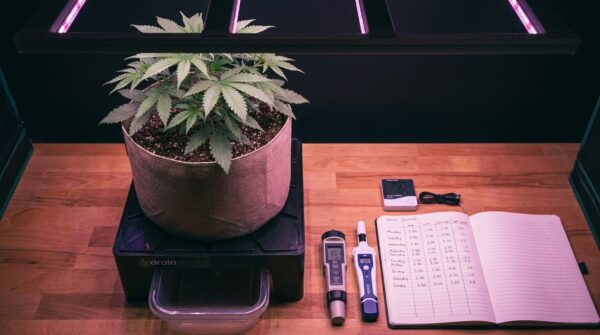
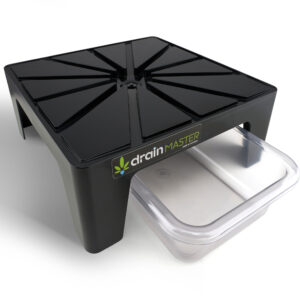
At the end of the day, the most important lesson is clear: preventing waterlogging is the key to healthy roots and a successful harvest. All prevention measures aim at this one goal. The most effective method is to eliminate the main cause from the outset. A simple but ingenious solution for this is Drip Stands like the DrainMaster Drip Stand. It elevates the pot, ensures perfect air circulation from below, and cleanly collects runoff water so that the pot never sits in wetness. With such a simple precaution, the risk of Cannabis Root Rot is reduced to an absolute minimum, and you can focus on what truly matters: healthy plants and fat buds.