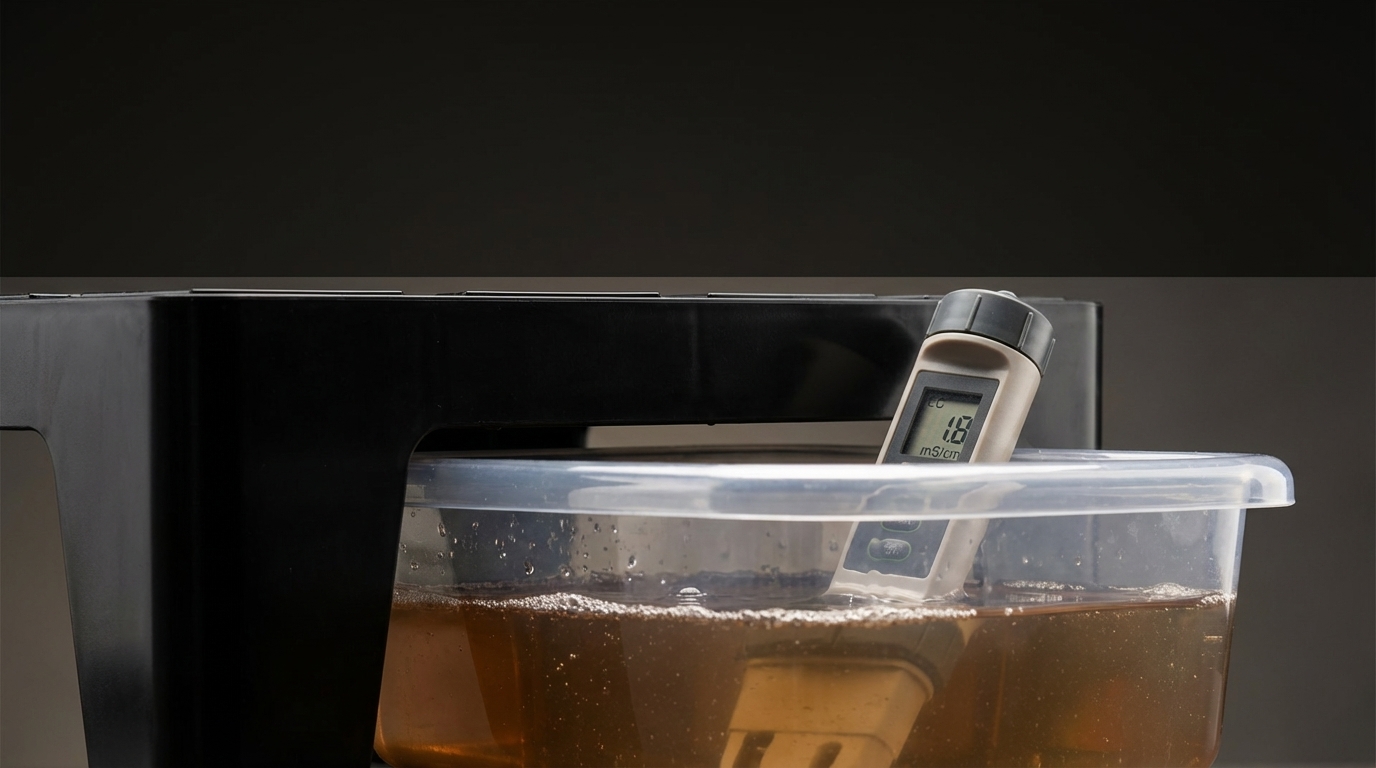
Why the transparent tray is the unsung hero.
Monitoring Cannabis Drain is the crucial step that separates experienced growers from beginners and paves the way from a good to an outstanding result. Many focus on light, climate, and genetics, but true mastery lies in understanding what happens in the invisible world of the root zone. Analyzing drainage water is the most direct and honest insight you can get into your plants’ nutrient environment.
Why the drain is the most honest mirror of your grow
Imagine talking to your plants. You give them water and fertilizer (your “input”), but what do they tell you back? The answer lies in the drain, the excess water that runs out of the bottom of the pot. This “output” reveals, unfiltered, what the plant has actually absorbed, what remains in the substrate, and whether the environment in the pot is optimal. Without this information, you are essentially flying blind. You only react to problems when they become visible on the leaves – by then, it’s often too late. Those who learn to monitor their Cannabis Drain switch from reactive repair to proactive, precise control.
The two crucial measurements: EC and pH in detail
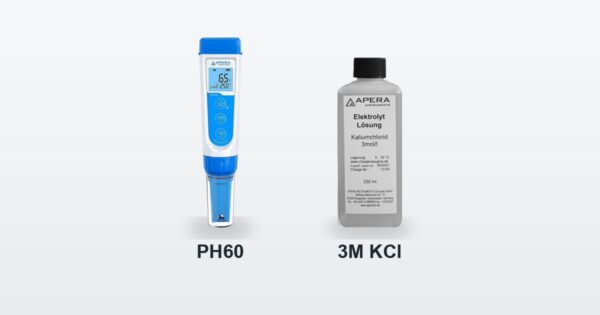
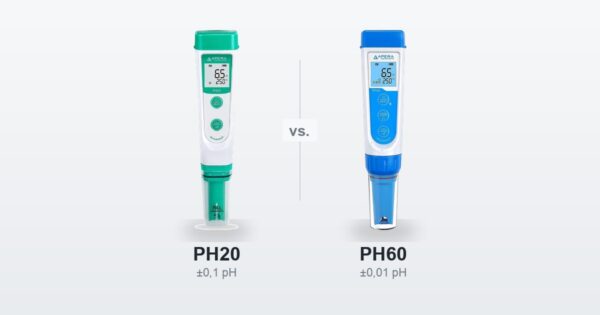
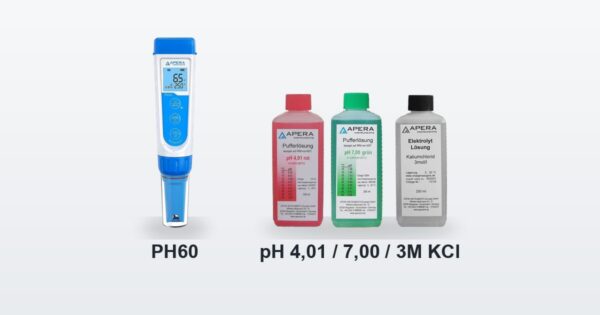
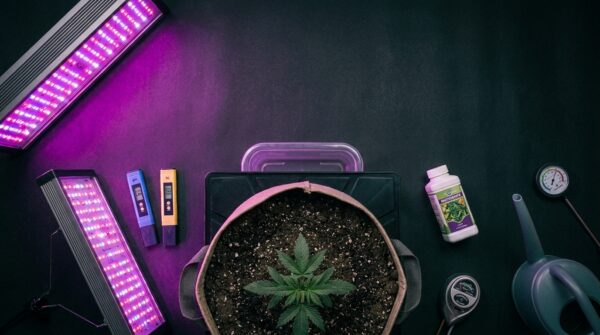
To understand the drain, you need to keep an eye on two key values: the EC value (electrical conductivity) and the pH value. Together, they give you an almost complete picture of the situation at the roots. The best way to do this is with precise pH and EC meters that combine both in one device.
The EC Value – The Measure of Nutrient Concentration
The EC value measures the total concentration of dissolved salts in your water. Simply put: it shows you how “strong” your nutrient solution is. However, the real magic happens when you compare the EC value of your nutrient solution (input) with that of the drain (output).
- Drain EC > Input EC: Red alert. Your substrate is salinizing. The plant absorbs fewer nutrients than you give it. If the drain EC is consistently 0.3-0.5 mS/cm above the input, you must act. This is a clear sign of impending over-fertilization, even if the leaves still look good. The detailed guide on measuring EC value in the drain will help you identify the problem safely.
- Drain EC ≈ Input EC: The sweet spot. A difference of +/- 0.2 is perfect. You are giving the plant exactly what it needs. Nutrient supply and consumption are in balance.
- Drain EC < Input EC: Your plant is hungry. It is consuming more nutrients than you are supplying. You can gradually increase the fertilizer concentration to fully exploit its potential. Information on what to do if the EC value is too high is crucial here to react correctly.
The pH Value – The Key to Nutrient Availability
The best fertilizer is useless if the plant cannot absorb it. This is where the pH value comes into play. It determines which nutrients are “available” to the roots. An incorrect pH value in the substrate leads to nutrient lockout: the nutrients are present, but the plant cannot absorb them and shows deficiency symptoms.
Observe the trend over several measurements. A single outlier is not a drama. A constantly falling or rising value, however, is.
- Optimal pH range in soil: 6.0 – 7.0. Most experienced growers aim for a drain value between 6.2 and 6.8.
- Optimal pH range in coco/hydro: 5.5 – 6.5. Here, a stable drain pH of 5.8 to 6.2 is sought.
If your pH value in the drain consistently drops, it blocks the absorption of macronutrients like calcium and magnesium. If it rises, micronutrients like iron and manganese are blocked. It is essential to know the causes and solutions for a too low pH value to be able to counteract quickly.
The physical basis: How substrate and watering technique influence everything
Precise measurements are worthless if the physical conditions in the pot are not right. A good substrate and the correct watering technique are the basis for obtaining meaningful drain values and avoiding problems like waterlogging in cannabis.
The right substrate for optimal drainage
Cannabis roots need oxygen. A compacted, wet substrate is their death sentence and inevitably leads to root rot. An airy substrate is the best insurance to avoid root rot. Always add 15-20% perlite to your soil. Perlite is a pH-neutral volcanic rock that loosens the structure, ensures excellent drainage, and provides oxygen to the roots. This prevents compaction and allows water to flow evenly through the pot – the prerequisite for being able to monitor Cannabis Drain.
The right watering technique and the drainage percentage
The way you water your plants has a massive impact. Forget rigid watering schedules. The most reliable method is to lift the pot and decide by weight. If it has become significantly lighter, it’s time to water. This approach prevents the dreaded overwatering in cannabis as well as underwatering.
When watering cannabis itself, the 10-20% rule applies:
Always water so that about 10-20% of the total amount runs out as drain at the bottom. If you give 5 liters of water, 500 ml to 1 liter of drain should result. This process flushes excess salts from the substrate and prevents their accumulation. Water slowly and in several small bursts so that the water distributes evenly and does not form “channels” through which it simply rushes.
From flying blind to precision control: Monitoring Cannabis Drain with the right system
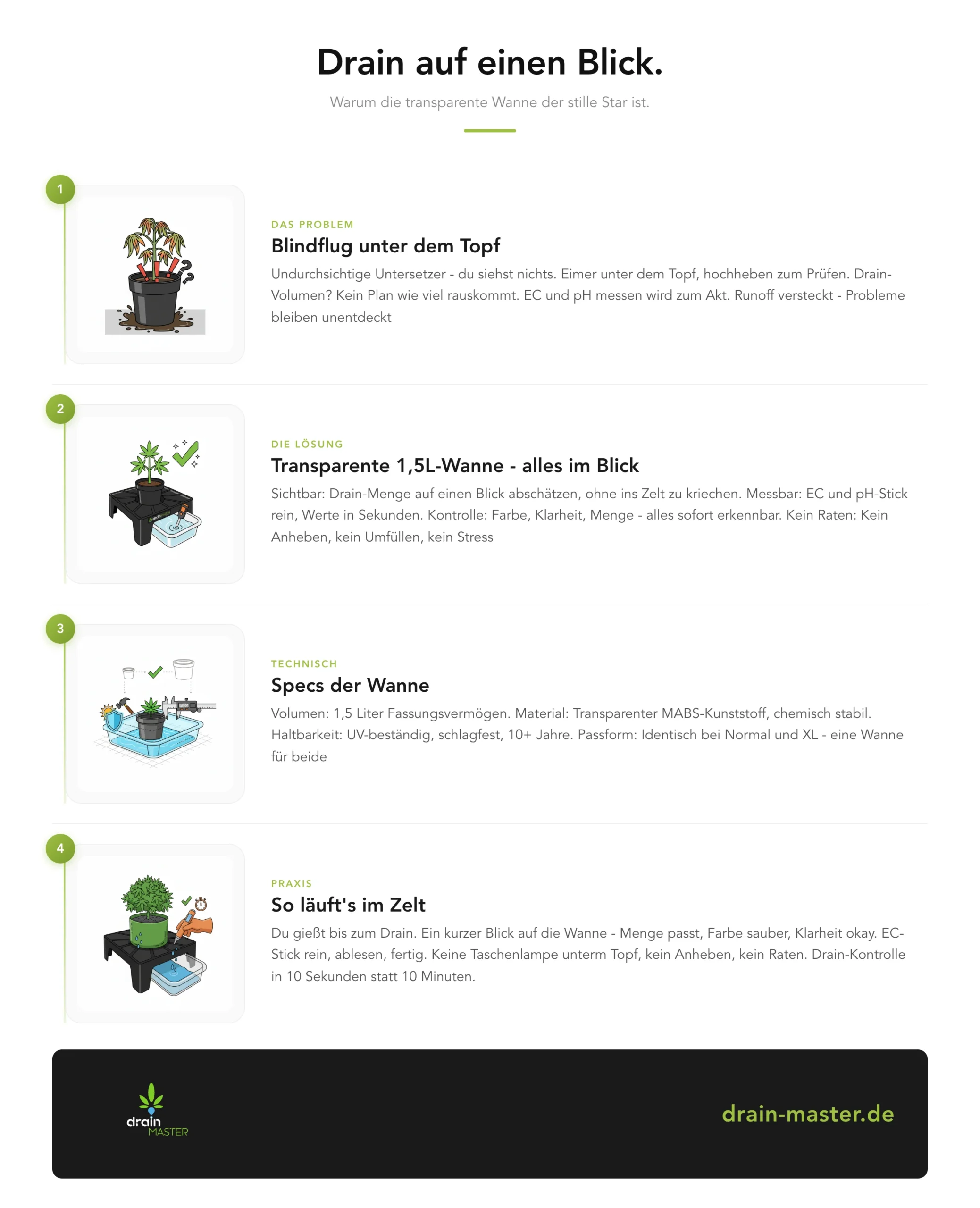
Everyone knows the problem: The plants are in black, opaque saucers. To measure the drain, you have to lift the heavy pots, laboriously transfer the water into a measuring cup, and risk spilling everything. You never know exactly how much drain is actually in the saucer, and you only recognize problems like discoloration of the water when it’s too late. This “flying blind” is inefficient and error-prone.
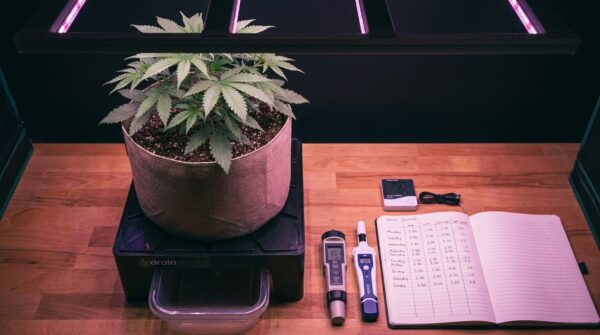
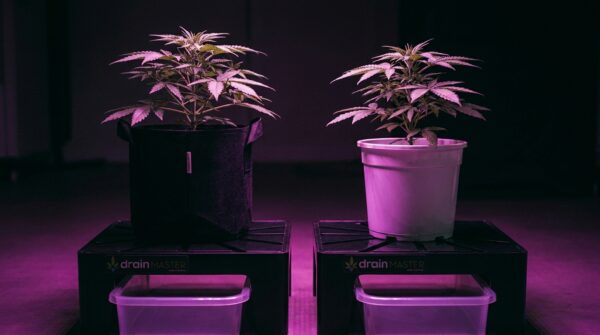
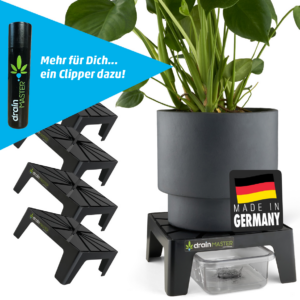
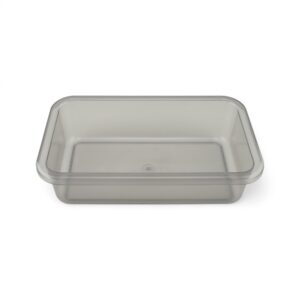
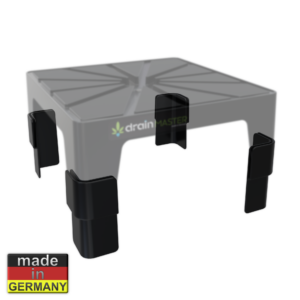
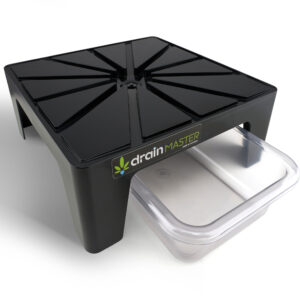
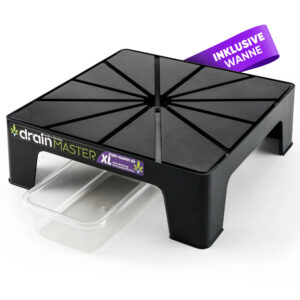
The solution is a well-thought-out system. Specially developed DrainMaster Drip Stands with a transparent drip tray revolutionize this process. Instead of laboriously lifting the pots, you can see the amount, color, and clarity of the drain at a glance. You can hold your measuring device directly into the tray and get precise EC and pH values in seconds – without lifting, without transferring, without guessing. Ultimately, consistent Cannabis Drain monitoring with the right tools is the most direct path to healthier plants and a better harvest.